

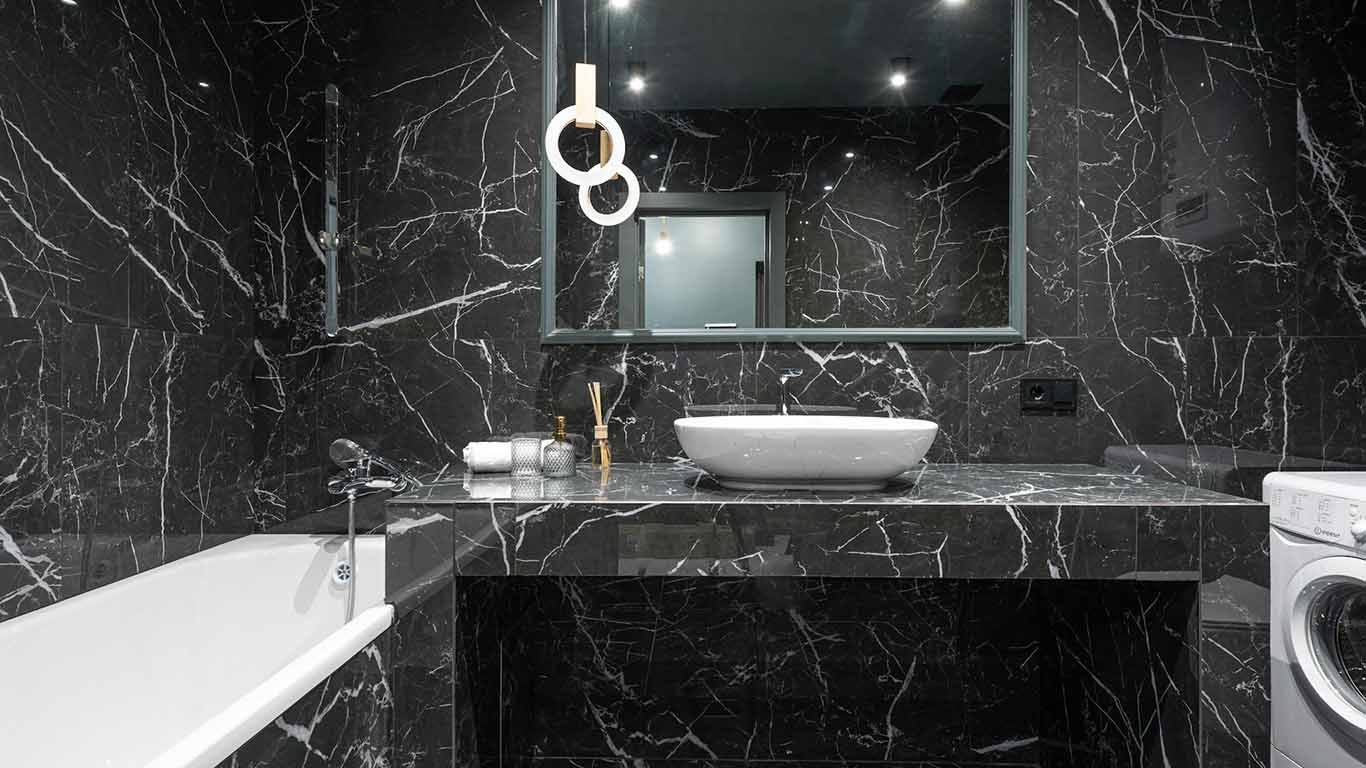
The bathrooms are subjected to incessant moisture, and wall protection is necessary to ensure long term performance. Water may enter surfaces without the necessary sealing and create severe damages.
Numerous homeowners use waterproofing bathroom walls as a means of averting structural challenges and ensuring hygiene. This conserves moisture by providing a barrier that prevents entry of moisture into wall materials.
A proper selection of the method will provide a higher level of durability and efficiency. Waterproofing is better done properly, which enhances safety and comfort. By being careful, you can design a solid space in the bathroom that can resist daily exposure to moisture.
Surface Preparation Essentials
The initial step in waterproofing is to prepare the wall surface. Walls should be clean, dry and dust or greasy. Before starting, any cracks or damaged areas are to be repaired. Waterproof materials are able to adhere to smooth surfaces.
Areas that are not even may erode the protective layer in the long run. The right preparation makes all surfaces evenly applied. Failure to do this can result in ineffective performance and premature failure.
Delaying to make ready enhances longevity and long-term outcomes. The surface must be well prepared to facilitate good bonding. This is the basis to a successful waterproofing performance.
Types Of Waterproofing Methods
There are various techniques of waterproofing depending on bathroom requirements and design. Liquid membranes also form a smooth shield that prevents moisture. The cement-based coating offers good resistance in wet environments.
Sheet membranes are uniform in thickness and coverage. Quick and clean installations are also done using waterproof panels. All of these methods have their benefits based on the project. Being aware of these options aids in making wise decisions.
The selection of the appropriate method can guarantee enhanced security and longevity. The right selection enhances overall performance. There are waterproofing techniques which are reliable and promote efficiency in bathrooms.
Benefits Of Moisture Control
Bathroom walls that are waterproofed are necessary in order to protect against the daily exposure to moisture. It helps to avoid the seepage of water into walls and damage that could be hidden.
Waterproofing will slow down the development of damp spots and mold. This enhances indoor air quality and hygiene. Surfaces that are resistant to water can be cleaned and maintained with ease.
Minimal damage decreases the costs of repairs and maintenance in the long run. Good shower wall board waterproofing enhances use comfort. It makes sure that walls are sturdy and dependable. An important consideration of long-life performance of a bathroom is moisture control.
Improving Wall Durability
Waterproofing is important in enhancing longevity of the bathroom walls. Secured walls are resistant to damage due to persistence of humidity and water. This averts structural problems and weakening with time.
Extensive surfaces do not fade even with the frequent use. Waterproofing also safeguards underlying materials against latent damages. Sturdy walls minimize the repairing process. The durability is long term which enhances the value of the property.
Proper protection is better to invest in to achieve better long-term results. The walls are in good condition and hold a stable structure of the bathroom. Increased durability will help to create a more stable and efficient space.
Maintenance And Inspection Practices
Maintenance with waterproofed walls makes them effective with years. Periodic inspection of surfaces should be made to check on cracks or wear. Early identification will assist in avoiding bigger issues in the future.
Walls should be cleaned on a regular basis to ensure they are protective. The waterproof layer is secured by using the proper products. Closures must be inspected to make sure that they are not opened.
Timely repairs are useful in ensuring performance and reliability. Regular maintenance increases the life of waterproofing systems. Properly taken care of walls are functional and attractive.
Conclusion
Bathroom walls should be waterproofed in order to have a durable and reliable environment of the bathroom. It is resistant to moisture damage and enhances hygiene.
The correct preparation and choice of the method guarantee successful outcomes. Moisture resistance enhances both safety and comfort. The walls are durable to sustain long term performance and value.
Maintenance routine can be used to maintain protection. Careful selection of waterproofing will result in a more effective and durable bathroom area.

