
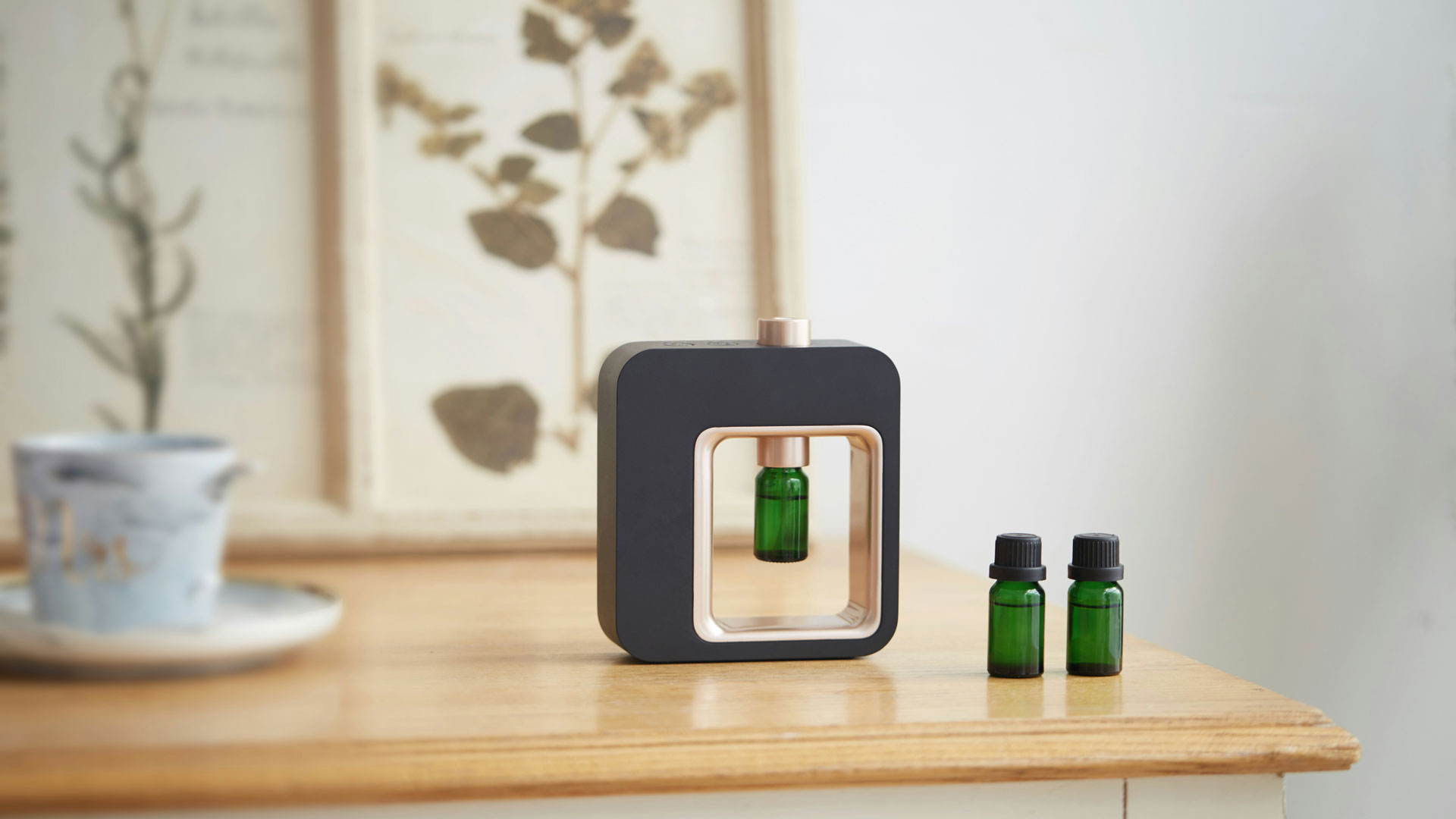
A clean and welcoming environment shapes how customers, employees, and visitors see a business. Many companies pay attention to looks, customer service, and design, but often miss one important detail: indoor odors. Bad smells can quickly leave a poor impression, affect customer choices, and lower employee satisfaction.
As organizations increasingly prioritize customer experience and workplace wellness, finding an effective smell eliminator for businesses has become an essential part of facility management. Modern odor control strategies go far beyond simply masking unpleasant scents. Today’s solutions focus on identifying, neutralizing, and eliminating odors at their source to create healthier and more comfortable environments.
Why Odors Matter in Commercial Environments
Our sense of smell is strongly tied to emotions and memories. People often judge a space within seconds of walking in, and odors can have a big impact on those first impressions.
Unpleasant odors may contribute to:
- Negative first impressions
- Lower customer satisfaction
- Reduced employee morale
- Increased complaints
- Poor brand perception
- Decreased customer retention
- Uncomfortable work environments
Since scent is closely linked to how people feel, businesses that keep their spaces fresh and pleasant usually make a better impression.
Common Sources of Commercial Odors
Knowing where odors come from is the first step to managing them well.
Organic Waste
Rotting organic material is one of the main reasons for bad smells.
Examples include:
- Food waste
- Trash accumulation
- Organic spills
- Animal waste
- Grease buildup
- Biological residue
When these materials break down, bacteria produce compounds that cause lingering odors.
Moisture and Mold
Problems with moisture often lead to musty and unpleasant smells indoors.
Common causes include:
- Water leaks
- Flood damage
- High humidity
- Poor ventilation
- Condensation buildup
- Mold growth
Ongoing musty smells often point to deeper problems in the environment that need to be fixed right away.
HVAC Systems
Heating and ventilation systems can carry odors through the whole building.
Common HVAC-related odor sources include:
- Dirty air filters
- Mold contamination
- Ductwork buildup
- Organic debris
- Condensation issues
- Mechanical problems
Regular maintenance is key to keeping indoor air quality high.
Restrooms and Locker Rooms
High-traffic areas frequently develop odor issues due to:
- Bacterial growth
- Moisture accumulation
- Organic contamination
- Inadequate ventilation
- Plumbing concerns
- Surface residue
These areas often need ongoing odor control solutions.
Industrial and Commercial Operations
Some industries naturally generate odors through everyday operations.
Examples include:
- Food preparation
- Manufacturing processes
- Waste handling
- Chemical storage
- Laundry facilities
- Fitness centers
These types of businesses often need special strategies to get rid of odors.
The Difference Between Masking and Eliminating Odors
Many organizations try to fix odor problems with air fresheners and scented products. These may help for a short time, but they usually don’t get rid of the real cause.
Traditional approaches often include:
- Aerosol sprays
- Plug-in air fresheners
- Scented candles
- Deodorizing products
- Fragrance dispensers
These products just hide bad smells instead of removing them.
Professional odor elimination focuses on:
- Identifying odor sources
- Removing contaminants
- Neutralizing odor molecules
- Improving air quality
- Preventing recurring odor problems
This method works better and gives longer-lasting results.
Technologies Used as a Smell Eliminator for Businesses
Modern odor management uses several advanced technologies to eliminate odors at the molecular level.
Enzyme Treatments
Enzyme-based products break down odor-producing organic materials.
These treatments are particularly effective for:
- Food odors
- Waste odors
- Biological contamination
- Restroom odors
- Organic spills
- Pet-related odors
Since enzyme treatments remove the source of the odor, they often last a long time.
Activated Carbon Filtration
Activated carbon systems absorb odor-causing molecules from the air.
Benefits include:
- Chemical odor removal
- Smoke odor control
- VOC reduction
- Improved air quality
- Continuous odor management
Carbon filtration is still one of the most dependable ways to control odors over time.
Ozone Treatment
Ozone technology uses oxidation to destroy odor molecules.
Applications may include:
- Smoke damage
- Fire restoration
- Mold odor removal
- Severe contamination
- Industrial odor issues
This technology is often used when regular cleaning is not enough.
Hydroxyl Technology
Hydroxyl generators create molecules that neutralize odors and airborne contaminants.
Advantages include:
- Continuous treatment
- Air purification
- VOC reduction
- Odor elimination
- Occupied-space applications
This technology is becoming more popular in commercial spaces.
Advanced Air Purification Systems
Many businesses utilize integrated air treatment solutions that combine multiple technologies.
These systems may include:
- HEPA filtration
- UV treatment
- Carbon filtration
- Ionization
- Air monitoring systems
The aim is to make indoor air cleaner and manage odors better.
Industries That Benefit from Professional Odor Elimination
Professional odor management provides value across numerous industries.
Hospitality Industry
Hotels and resorts depend heavily on guest experiences.
Common treatment areas include:
- Guest rooms
- Hotel lobbies
- Restaurants
- Fitness centers
- Laundry facilities
- Conference rooms
Clean, fresh spaces help create good experiences for guests and support a strong brand reputation.
Healthcare Facilities
Healthcare organizations prioritize comfort and environmental quality.
Professional odor management may improve:
- Patient experiences
- Visitor comfort
- Indoor air quality
- Facility perception
- Environmental wellness
Commercial Offices
Modern workplaces increasingly emphasize employee well-being.
Benefits may include:
- Improved workplace comfort
- Better indoor air quality
- Enhanced visitor experiences
- Increased employee satisfaction
- Stronger professional image
Multifamily Residential Communities
Property managers frequently invest in odor management solutions.
Common treatment areas include:
- Hallways
- Leasing offices
- Clubhouses
- Trash rooms
- Shared amenities
- Fitness facilities
Good environmental quality often helps keep residents happy and encourages them to stay longer.
Food Service Businesses
Restaurants and food facilities face unique odor challenges due to daily operations.
Common issues include:
- Kitchen odors
- Grease buildup
- Food waste
- Drain contamination
- Ventilation problems
- Storage odors
Professional odor control programs help keep spaces pleasant for both customers and staff.
Benefits of Professional Odor Management
Businesses that invest in odor removal programs often see many benefits.
Potential benefits include:
- Improved customer satisfaction
- Better employee experiences
- Enhanced indoor air quality
- Reduced complaints
- Stronger brand reputation
- Improved property value
- Greater environmental comfort
- Long-term cost savings
Since professional treatments tackle the root causes of odors, the results usually last longer than those from temporary fixes.
The Future of Commercial Odor Management
As businesses keep focusing on customer experience, workplace wellness, and indoor air quality, odor management technology will keep improving. Smart building systems, automated air monitoring, and new purification methods are changing how organizations take care of their spaces.
The increasing emphasis on healthy and welcoming environments suggests that finding an effective smell eliminator for businesses will remain an important part of facility management strategies. By identifying odor sources and implementing advanced treatment solutions, organizations can create cleaner, fresher, and more comfortable environments that positively influence customers, employees, and visitors alike.
