
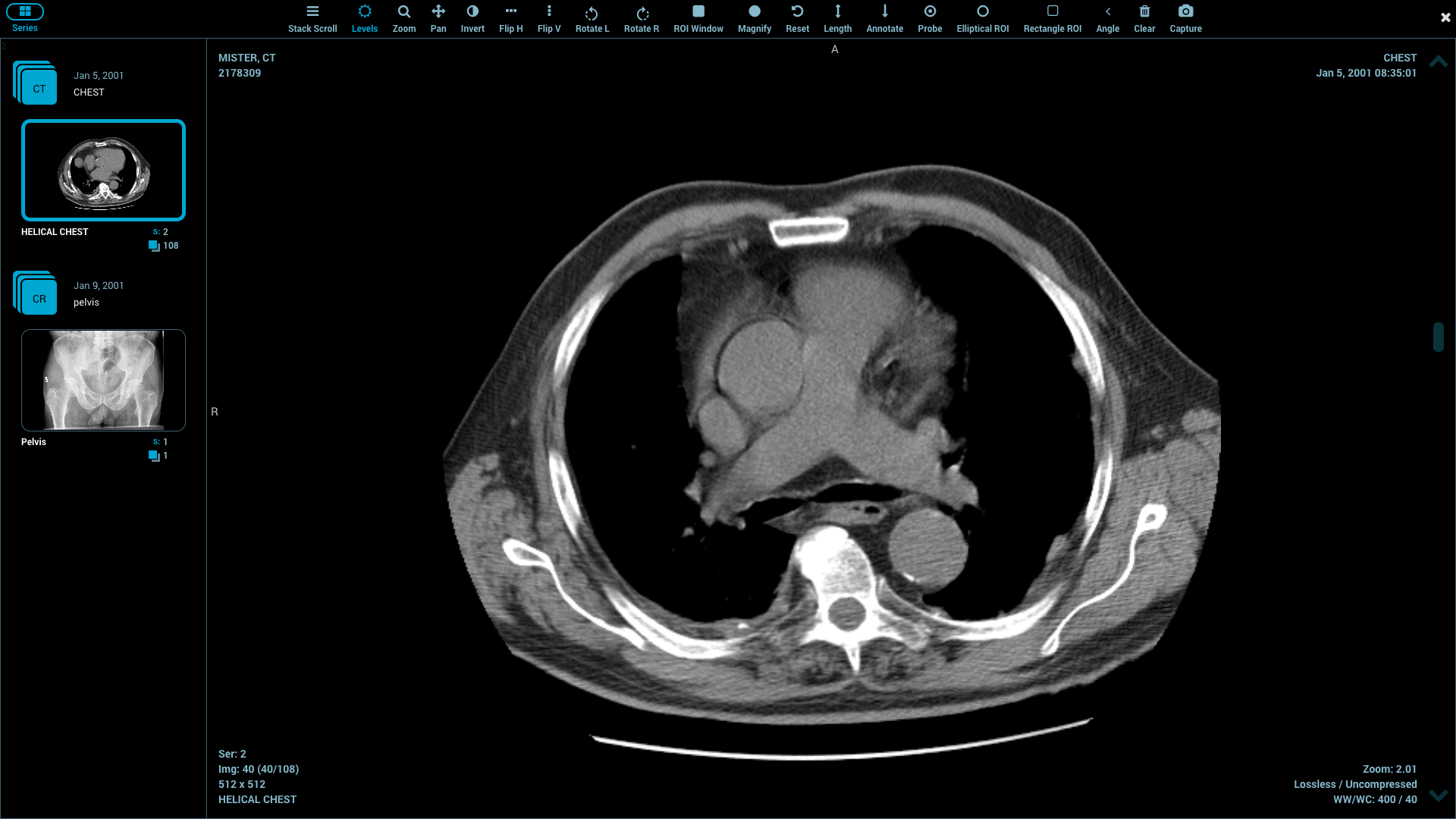
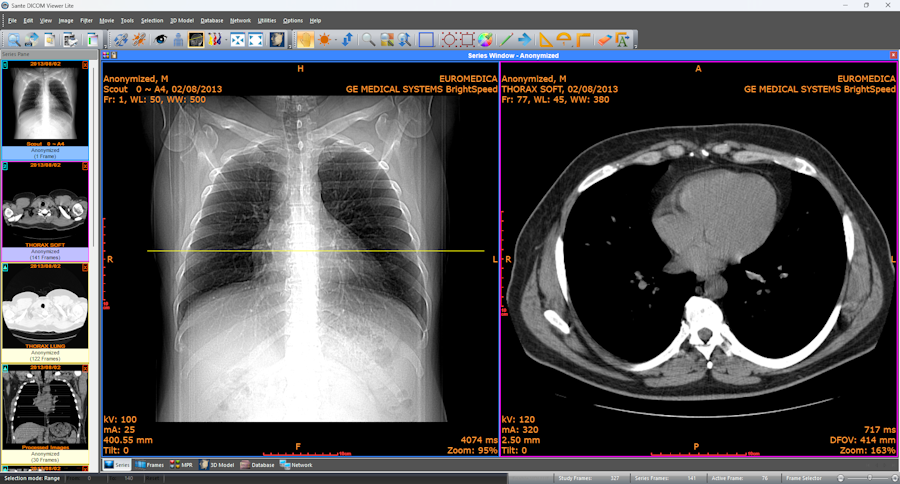
Medical imaging system involves the use of standardized data in order to be precise and consistent. The healthcare software should be able to handle various devices with complicated imaging formats. The DICOM standards permit the interoperability of imaging equipment and clinical applications.
Interpretation, processing, and display of imaging data require dependable tools by developers. DICOM library solutions give ordered access to images, metadata and protocols of communication. Software integration is inefficient and likely to go wrong without good libraries.
Correct information management promotes clinical safety and adherence. Libraries that are designed well simplify development processes. Optimal selection has a direct effect on the reliability of the system and patient care results.
Essential Facilities Of Libraries
A DICOM library should be able to sustain critical functions of imaging. Metadata and pixel data can be properly read using file parsing. Tag management will guarantee patient and study data safety. Multiple transfer syntaxes are supported, which enhances compatibility.
The decoding of images should not compromise the quality of diagnostics. The characteristics of communication facilitate storage and retrieval of data between DICOM networking protocols. Crash protection is provided by error handling through the handling of malformed files.
Storage is made efficient by compression and decompression support. Cross-modality compatibility is compatible with a variety of imaging conditions. Such features make libraries effective in clinical software. Dependable imaging applications are based on solid core features.
Clinical Systems Integration
Healthcare software ecosystems are vital because of seamless integration. The components of the DICOM viewer library should be able to interface well with PACS and RIS platforms. Integration with electronic health records helps to facilitate a single workflow.
API can be modified to meet other clinical requirements. It can be deployed across the desktop, web, and mobile, and this is made possible by cross-platform support. Regular data management minimizes errors of integration.
Libraries that are compliant with standards make it easier to align with regulatory standards. Efficiency in integration decreases development time and effort put into maintenance.
Data Handling And Performance
Medical imaging data are voluminous and complicated. The images have to be processed by the libraries promptly with no loss in performance. Quick parsing enhances the responsiveness of the applications. Memory management eliminates system instability during the massive loading of studies.
The progressive image rendering is provided with streaming capabilities. Multi-threading enhances work on the current hardware. Multi-frame images can be accurately handled to aid superior modalities. Optimization of performance cuts down wait time for clinicians.
Assured processing in order to maintain continuous patterns of diagnostic processes. User trust and adoption of systems is promoted by high-performing libraries. Data processing: Data processing for real-time clinical use is vital.
Compliance Support And Security
The sensitive patient data should be safeguarded by healthcare software. Encryption and safe data transportation should be assisted in libraries. Implementation of DICOM libraries must be in line with HIPAA and GDPR.
Control measures help to avoid unauthorized usage. The compliance reporting and traceability are supported by the audit capabilities. Metadata privacy ensures the loss of the data. Security vulnerabilities are constantly updated.
The secure libraries minimize the organizational risk. Certification processes are made easy through compliance-ready tools. The security-centered development will maintain the privacy of patients and the reputation of the institution.
Developer Support And Maintenance
Constant assistance is essential for long-term survival. Libraries that have been well documented lower the learning curve amongst developers. Active maintenance is used to maintain compatibility with the changing standards.
Vendor or community support helps in speeding up the resolution process. There is no overlap of versioning. The development of samples can aid in quick development. Quality assurance is facilitated by testing tools.
Bureaucracy increases the efficiency of onboarding. Dependable support increases the confidence of the developer. Libraries that are preserved provide consistency in manufacturing healthcare conditions.
Conclusion
The success of software in medical imaging depends on a stable DICOM library. Basic skills guarantee precise data analysis. Smooth integration assists clinical processes. Optimization in performance enhances usability and usability.
Information is secured by security mechanisms. Intense developer support makes it reliable in the long run. When development risk is minimized, this is a result of proper selection.
Properly deployed libraries increase the accuracy of diagnosis. Ecosystems of healthcare technology are enhanced through strategic decisions. Reliable Libraries allow secure, Scale-out, and Conformity in medical imaging.
